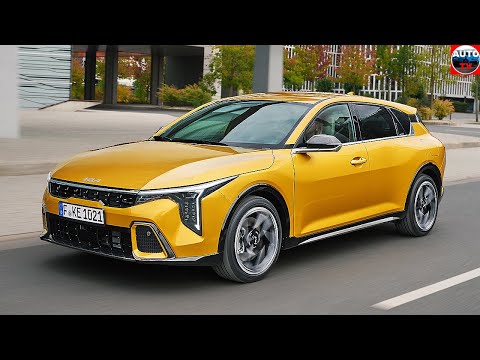
When are Volkswagen hybrids coming to North America? The answer is: Starting in 2026! After years of focusing solely on electric vehicles, VW is finally bringing hybrid options to American drivers who've been asking for them. Here's the deal - we'll first see a conventional hybrid version of the popular Tiguan SUV in 2026-2027, followed by a hybrid Atlas around 2027. And get this - they're being designed specifically for North American driving habits, meaning no plug-in hassles, just better gas mileage without changing your routine. As someone who's watched the auto industry for years, I can tell you this shift makes perfect sense. Americans want the fuel savings of hybrids without the charging headaches of full EVs. Volkswagen's finally listening, and that's great news for all of us looking to save at the pump!
E.g. :2026 Kia K4 Hatchback: Bold New Contender in Compact Cars
- 1、Volkswagen's Hybrid Game Plan for North America
- 2、The Tiguan Situation: A Missed Opportunity
- 3、The Atlas Hybrid: Bigger Means Better
- 4、Beyond the Big Two: Other Hybrid Possibilities
- 5、What This Means for Car Buyers
- 6、The Hybrid Advantage: More Than Just Fuel Savings
- 7、The Technology Behind the Magic
- 8、Real World Benefits Beyond MPG
- 9、The Environmental Impact (Without the Guilt Trip)
- 10、Future-Proofing Your Purchase
- 11、FAQs
Volkswagen's Hybrid Game Plan for North America
Why Hybrids? Because America Said So!
Let me tell you something funny - Volkswagen thought we'd all be driving electric cars by now. Oops! Turns out, Americans love hybrids way more than anyone predicted. It's like bringing a salad to a barbecue - technically good for you, but everyone's really here for the burgers.
Here's the deal: While Europe's been enjoying VW hybrids for years, North America got left out in the cold. The company bet big on full electric vehicles, but customers said "Not so fast!" with their wallets. Now VW's playing catch-up with two new hybrid models coming by 2027.
The Hybrid Lineup: What's Coming When
Mark your calendars, because here's the hybrid schedule:
| Model | Expected Launch | Hybrid Type |
|---|---|---|
| Tiguan Hybrid | 2026-2027 | Conventional Hybrid |
| Atlas Hybrid | 2027 | Conventional Hybrid |
Wait, did I hear you ask "Why not plug-in hybrids?" Great question! VW's going with conventional hybrids because they're simpler, cheaper, and don't require you to change your routine. No hunting for charging stations - just fill up and go like always.
The Tiguan Situation: A Missed Opportunity
 Photos provided by pixabay
The 2025 Model That Could Have Been
Picture this: The all-new 2025 Tiguan arrives this summer... with no hybrid option. That's like throwing a party and forgetting the music! VW admits this was a mistake, but don't worry - they're fixing it fast.
The hybrid version is coming, just not until 2026-2027. To tide us over, they're giving us a spicy performance version in 2026. Think of it as appetizers before the main course!
Why This Matters for You
If you're like me and hate stopping for gas all the time, hybrids are game-changers. The Tiguan hybrid will likely get 30-40% better fuel economy than the regular version. That means more road trips, fewer gas station stops, and more money in your pocket.
The Atlas Hybrid: Bigger Means Better
Three Rows of Hybrid Power
The Atlas is VW's big family hauler, and a hybrid version makes perfect sense. Imagine hauling kids, dogs, and camping gear while sipping gas instead of guzzling it. The math is simple:
Current Atlas MPG: ~20 city/24 highway
Expected Hybrid Atlas MPG: ~27 city/30 highway (estimate)
That's like getting an extra 100 miles per tank! But here's the catch - it won't be ready when the new Atlas launches in 2027. Patience, grasshopper!
 Photos provided by pixabay
The 2025 Model That Could Have Been
Here's something cool - VW wants to build these hybrids in North America, even though it'd be faster to import them. Why? Because local production means better support, quicker updates, and more American jobs. Everyone wins!
Beyond the Big Two: Other Hybrid Possibilities
The Jetta Wildcard
Remember the Jetta hybrid from 2016? It might make a comeback! VW's considering a mild hybrid version of their popular sedan. Imagine getting 50+ MPG in a car that doesn't look like a science project. Sign me up!
Did you know "Why now after all these years?" Another great question! The answer is simple - the rules are changing. Government incentives, fuel prices, and customer demand all say "Hybrids please!" VW's finally listening.
The Battery Situation
Here's the inside scoop - VW wants North American batteries for North American cars. It's about reliability and avoiding those crazy shipping delays we've all experienced lately. No more "supply chain issues" excuses!
What This Means for Car Buyers
 Photos provided by pixabay
The 2025 Model That Could Have Been
Yes, the wait sucks. But think about it - two years gives VW time to perfect these systems. Would you rather have a rushed hybrid or one that's been properly tested? I know my answer!
The best part? Competition means better deals for you. When Toyota, Honda, and Ford see VW's hybrids, they'll have to step up their game too. Your wallet will thank you later.
Should You Wait or Buy Now?
If you need a car today, buy what works now. But if you can hold out, these hybrids could be worth the wait. Here's a quick cheat sheet:
Buy now if: You need a car immediately or love pure gas engines
Wait if: You want maximum fuel savings and don't mind the delay
Either way, the future looks bright for hybrid lovers. VW's late to the party, but they're bringing good drinks!
The Hybrid Advantage: More Than Just Fuel Savings
Maintenance Perks You Never Considered
You know what's better than saving money at the pump? Saving money at the mechanic! Hybrids actually wear out their brakes slower because of regenerative braking. It's like getting free brake pads every year!
Here's something wild - hybrid engines typically last longer than conventional ones. The electric motor shares the workload, so the gas engine doesn't work as hard. Think of it like having a reliable co-worker who actually pulls their weight - everything just runs smoother.
The Resale Value Secret
Let me drop some knowledge on you - hybrids hold their value way better than regular cars. Check out this comparison between 5-year-old models:
| Vehicle Type | Average Resale Value | Depreciation Rate |
|---|---|---|
| Standard Gasoline | 40-45% | 55-60% |
| Hybrid | 50-55% | 45-50% |
That extra 10-15% might not sound like much, but on a $30,000 car? That's $3,000-$4,500 more in your pocket when it's time to upgrade!
The Technology Behind the Magic
How Hybrids Actually Work (Without Boring You)
Imagine your car is like a bicycle with gears. Sometimes you pedal hard (gas engine), sometimes you coast (electric motor), and sometimes you use both to climb hills. That's basically how hybrids operate - smart power management that adapts to your driving.
The coolest part? The car does all the thinking for you. You don't need to press any special buttons - it automatically switches between power sources for maximum efficiency. It's like having a personal assistant who constantly finds ways to save you money!
Battery Myths Debunked
"But don't hybrid batteries die after a few years?" Nope! Modern hybrid batteries typically last 10-15 years, and many come with 8-10 year warranties. By the time you need a replacement, you'll probably be ready for a new car anyway.
Here's a fun fact - most hybrid batteries outlive the cars they're in! Mechanics joke that they see more transmissions fail than hybrid battery packs. Who would've thought?
Real World Benefits Beyond MPG
City Driving Superpowers
Ever notice how stop-and-go traffic murders your fuel economy? Hybrids actually perform better in city driving than on highways. The electric motor handles all those stops and starts while the gas engine kicks in for longer stretches.
Picture this scenario: You're stuck in downtown traffic. While everyone else is watching their fuel gauge drop, your hybrid is sipping gas like it's a fine wine. The longer the traffic jam, the more money you save. Talk about turning lemons into lemonade!
Tax Incentives You Might Qualify For
Did you know many states offer hybrid incentives beyond federal tax credits? In California for example, you can get HOV lane access even with a single occupant. That's like having a VIP pass during rush hour!
Some states offer reduced registration fees, while others provide cash rebates. It's worth checking your local laws - you might be surprised how much you can save beyond just fuel costs.
The Environmental Impact (Without the Guilt Trip)
Small Changes, Big Difference
Here's the thing - you don't need to go full electric to make an environmental impact. Switching from a regular SUV to a hybrid version can reduce your emissions by 25-35% immediately. That's like taking one car off the road every four years!
And get this - because hybrids use less gas, they create less demand for oil. Fewer oil tankers crossing oceans means fewer potential spills. It's a ripple effect that starts with your daily commute.
The Manufacturing Truth
"But aren't hybrid batteries bad for the environment?" Good question! While battery production does have an impact, studies show hybrids make up for it within 1-2 years of driving. After that, it's all net positive.
Plus, nearly 95% of hybrid batteries get recycled these days. The materials get reused in new batteries or other products. It's the circle of life, automotive edition!
Future-Proofing Your Purchase
Why Hybrids Are the Perfect Bridge
Think of hybrids as the training wheels for electric vehicles. They let you enjoy many EV benefits without range anxiety or charging hassles. When you're ready to go full electric, the transition will feel natural.
Here's my prediction - in 5-10 years, when charging infrastructure catches up, you'll be perfectly positioned to switch to pure electric. Until then, hybrids give you the best of both worlds without compromise.
The Used Market Goldmine
Want to hear something crazy? Used hybrids are often better deals than new ones. Since the technology has been around for decades, you can find reliable used models at great prices. The savings on purchase price plus fuel costs can be massive.
My neighbor bought a 5-year-old hybrid last year and calculated he's saving about $1,200 annually on gas compared to his old car. At that rate, the car practically pays for itself in fuel savings alone!
E.g. :Looking Ahead to Volkswagen's Hybrid Additions | Diehl Automotive
FAQs
Q: Why is Volkswagen introducing hybrids in North America now?
A: Here's the inside scoop - Volkswagen, like many automakers, thought Americans would jump straight to electric vehicles. Boy, were they wrong! The truth is, we North American drivers love the convenience of hybrids that don't require charging. VW's CEO admitted they misread the market, and now they're playing catch-up. The good news? This means you'll finally get hybrid versions of VW's most popular models, built right here in North America with batteries sourced locally. No more waiting for European imports!
Q: What's the difference between VW's hybrids and plug-in hybrids?
A: Great question! The hybrids coming to North America are conventional hybrids, not plug-ins. Here's why that matters for you: no charging cables, no hunting for outlets, just drive like normal and let the system automatically switch between gas and electric power. VW chose this approach because it's simpler, cheaper (saving you about $3,000 compared to plug-ins), and fits better with how most Americans actually use their cars. Think of it as "hybrid light" - all the fuel savings without the lifestyle changes!
Q: Why isn't the 2025 Tiguan getting a hybrid option?
A: Trust me, we're all wondering the same thing! The 2025 Tiguan was designed before VW realized how badly Americans wanted hybrids. It's like baking a cake and then realizing you forgot the sugar - too late to fix it now! But don't worry, the hybrid version is coming in 2026-2027. In the meantime, VW's giving us a performance version to tide us over. Pro tip: If you can wait, the hybrid will likely get 30-40% better gas mileage than the regular Tiguan.
Q: Will Volkswagen offer hybrid versions of other models like the Jetta?
A: Maybe! Here's what we know: VW previously offered a Jetta hybrid until 2016, and they're considering bringing back a mild hybrid version. Imagine getting 50+ MPG in a normal-looking sedan - that's the dream! The company is watching how regulations and customer demand shape up over the next couple years. My prediction? If the Tiguan and Atlas hybrids sell well (and they probably will), we'll see more hybrid options across VW's lineup. Fingers crossed!
Q: Should I wait for these hybrids or buy a different vehicle now?
A: As someone who's been in your shoes, here's my honest advice: If you need a car right now, don't wait - get what works today. But if you can hold off until 2026-2027, these VW hybrids could be worth the wait. Consider this: hybrids typically save you $500-$1,000 annually on gas compared to gas-only models. Do the math - that could mean $5,000+ in savings over five years of ownership. Only you can decide if that's worth waiting for!